

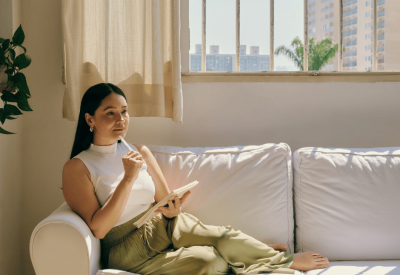
When people talk about stress, they usually mean a state of mind — racing thoughts, tight deadlines, restless sleep. But our bodies carry those emotions too, often in ways we don’t immediately notice. Tension gathers in the jaw, shoulders, and especially the hips — a part of the body that, in both psychology and movement science, has been called the “emotional junk drawer.” That’s why simple, mindful practices like Pilates hip stretches are gaining recognition not just for improving flexibility, but for helping release stored stress and restore emotional balance.
At first glance, stretching your hips might not seem related to your mental health — but neuroscience and somatic therapy suggest otherwise. The connection between movement and mood runs deep, and it starts with awareness.
How the Body Stores Emotion
Emotions are not abstract; they’re physiological experiences. When we feel fear or anxiety, the brain sends signals that change muscle tension, breathing, and posture. Over time, repeated stress responses cause certain muscle groups — particularly in the hips and lower back — to hold residual tension long after the stressful …
Everyone feels anxious from time to time—before a big meeting, during life changes, or in stressful situations. But for millions of people, anxiety goes far beyond occasional worry. It can become a constant, overwhelming presence that affects everyday life.
At Behavioral Health of SC, we help individuals across South Carolina understand and manage anxiety with compassion, proven therapies, and real support. If you or someone you love is struggling, this guide will help you better understand what anxiety is—and how treatment can truly make a difference.
What Is Anxiety?
Anxiety is your body’s natural response to stress. It’s a signal meant to keep you alert and safe. But when anxiety becomes chronic or irrational, it can turn into a mental health condition.
There are several types of anxiety disorders, including:
-
Generalized Anxiety Disorder (GAD): Constant worry or tension, even without a specific cause.
-
Panic Disorder: Sudden episodes of intense fear or panic attacks.
-
Social Anxiety Disorder: Intense fear of social situations or judgment.
-
Phobias: Extreme fear of a specific object, situation, or activity.
-
Separation Anxiety: Excessive fear of being
Mental health is just as important as physical health—but unlike a broken bone or the flu, emotional and psychological struggles aren’t always easy to recognize. In South Carolina and beyond, many people suffer in silence, unsure if what they’re feeling “counts” as a reason to get help.
Here’s the truth: if something is disrupting your daily life, relationships, or peace of mind, that’s reason enough to reach out.
At Behavioral Health of SC, we’re here to support you—without judgment, pressure, or stigma. Below are 5 signs it may be time to speak with a mental health professional.
1. You’re Feeling Overwhelmed or Stuck
We all experience stress, but if you’re constantly overwhelmed, mentally exhausted, or feel like you’re running on empty no matter how much you rest, it could be a sign of something deeper—like anxiety, depression, or burnout. A therapist can help you sort through the noise, create coping strategies, and feel in control again.
2. Your Emotions Feel Unmanageable
Everyone has ups and downs. But if you’re experiencing intense sadness, irritability, hopelessness, anger, or mood swings that …

In today’s always-on culture, managing stress and staying emotionally grounded can feel like a full-time job. While practices like therapy, mindfulness, and exercise are essential components of mental health, many people are also turning to nutrition—and more specifically, beverages—to support their emotional well-being.
Calming drinks are more than a trend; they’re part of a growing movement toward functional wellness. Whether infused with adaptogens, herbs, or cannabinoids, these beverages are designed to help you feel more relaxed, centered, and in control of your mood.
One standout in this category is Sota Pot, a refreshingly crafted drink that combines flavor and chill vibes in one easy-to-enjoy can. It’s ideal for those moments when you want to unwind naturally, without relying on caffeine, alcohol, or overstimulation.
The Physiology of Calm
When we’re stressed, our bodies release cortisol—a hormone linked to fight-or-flight responses. Calming beverages work by helping regulate this system. Ingredients like magnesium, L-theanine, and GABA encourage the body to shift into a parasympathetic state, also known as “rest and digest.” This results in slower heart rate, reduced anxiety, and clearer thinking.…
Children are very observational and will mimic what they see their parents doing. It is important that we model generous behavior to our children.
Kids can learn to give and receive compliments by practicing gratitude. Young school age children are ready to begin learning how to say thank you for a compliment.
Give a Compliment
When your child is complimented, they feel good about themselves. And they can pass that joy on to others when they give compliments to their friends and loved ones.
Compliments show that you care and are thinking about them. They are important, especially to young children who struggle with self-worth and value.
But giving and receiving compliments is a skill that must be learned and developed. Often, a compliment is not received well because it’s sarcastic or doesn’t match their reality.
When a compliment is given to kids, it should be genuine and specific. You could say, “I like your eyes or your smile” or “You’re great at your sport.” To help kids learn how to give a compliment, the On Our Sleeves experts created …
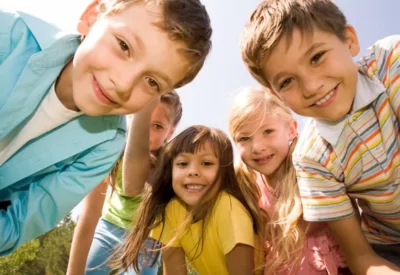
Kids need to learn manners from the very beginning. It’s important for them to share toys, take turns, never hit or name-call, and remember to say please and thank you.
Teaching them these etiquette skills can set them up for life! Using clear explanations, reminders and rewards (as needed), these good manners can become habits. Enroll your child in LLuxxall etiquette classes for kids, essential life skills with expert guidance in a positive and engaging environment.
1. Make it a game
Kids and good manners aren’t always a natural fit so turning them into polite respectful human beings may feel like a uphill battle. However, it can be easier if you make it fun and interesting rather than lecturing them or making them feel embarrassed about their behavior.
Start by teaching them how to greet people and what it means to say please and thank you. Then, move on to broader etiquette skills like table manners and behaviors appropriate for special events such as weddings or parties.
Playing games that focus on manners makes the lesson fun and engaging …
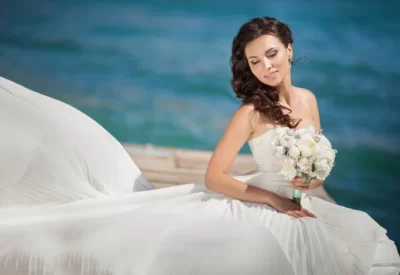
One of the biggest to-dos on any bride’s wedding checklist is finding her dream dress. With Pinterest boards, bridal shows, and shopping trips with the besties, picking out a gown can be a stressful and emotional process.
Whether you’re shopping on your own or with friends here are five essential tips to help you find the perfect dress. Schedule your dream day effortlessly. Visit our wedding shop website and book your appointment today for a seamless and stress-free experience.
1. Know Your Style
When searching for your wedding dress, it is important to know what you like. Trying on gowns you think you want to wear, but do not actually love, will only leave you frustrated.
If you are unsure about what your style is, look for inspiration online or in bridal magazines to help narrow down your options. Narrowing your choices down to two or three is ideal and helps keep you focused and on track.
Try to schedule your appointments on a weekday, so you don’t feel rushed. Bridal salons are often busier on weekends, and you may …
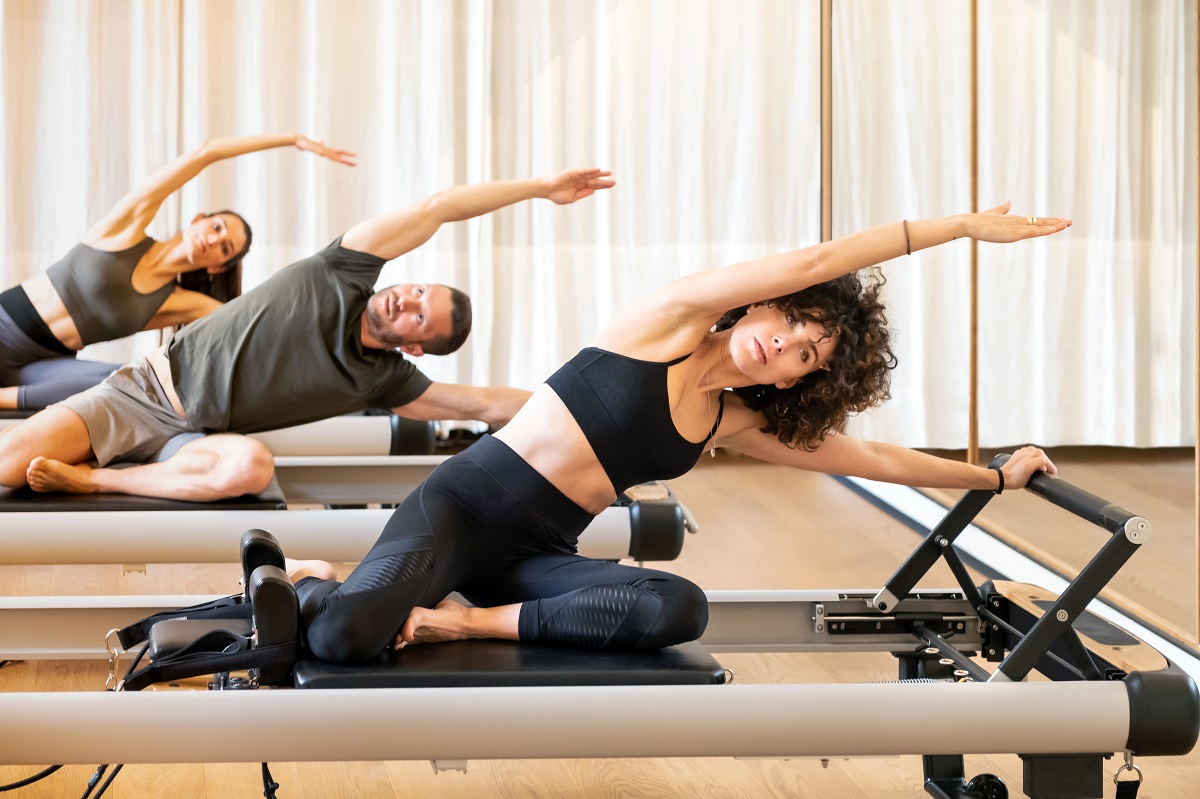
Pilates was created by Joseph Pilates in Germany in the early 1900s. It is a highly popular exercise system with various types of equipment that uses controlled movements to strengthen the core muscles, abdominal muscles and back extensors. Its focus is on improving balance and coordination as well as building strength through resistance training rather than weightlifting. Pilates is an exercise that can help with many health benefits, including a healthy heart and strong core.
What is a Pilates class?
Pilates classes are typically developed to target individual muscles or groups of muscles using various movement patterns and exercises. They often include a large variety of positions, small circles, and other movements that can be tailored to the individual’s needs. Classes typically incorporate stretching as well as controlled breathing techniques, which may vary.
3 Top Health Benefits of Pilates
Pilates is a system of exercise, which focuses on body control, breathing efficiency, and meditation. It has been shown to have a wide range of health benefits that can be achieved through regular practice. This article will highlight the top five …
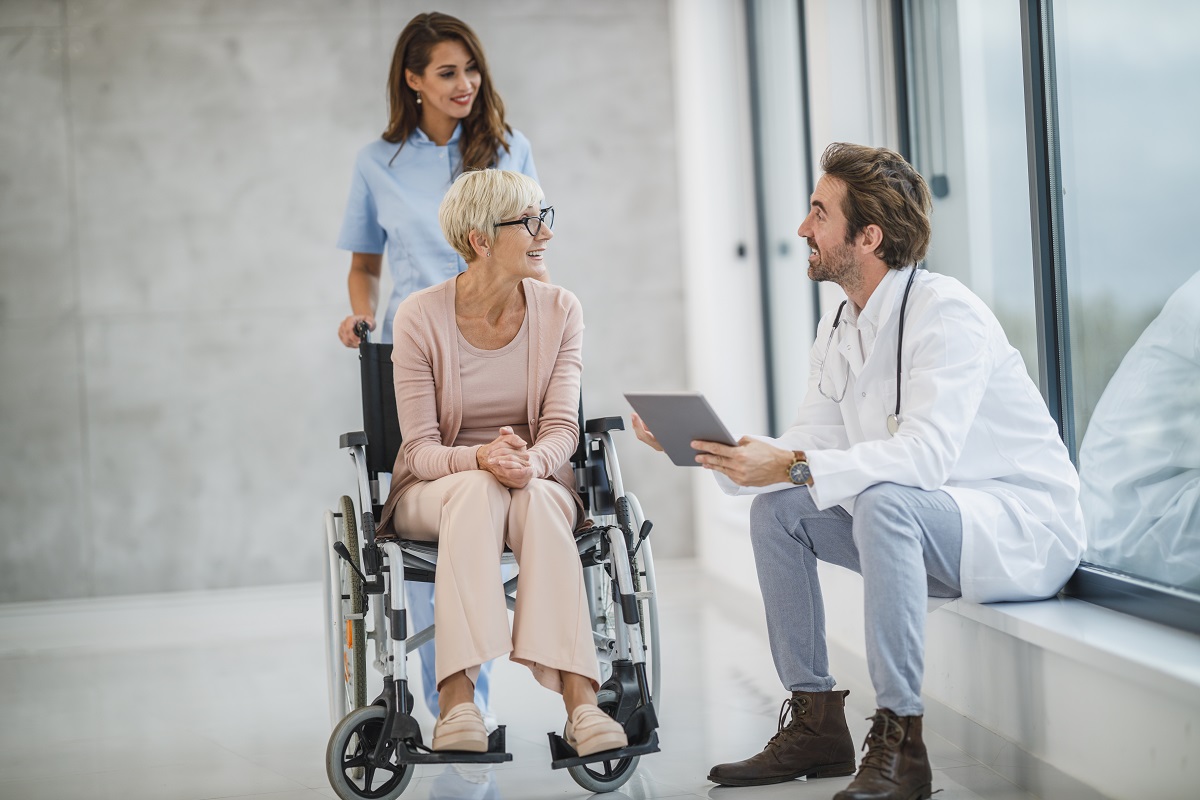
Let’s face it, we all want to feel our best. And when we don’t, we want to find a way to get back to our previous level of functioning as quickly as possible. That’s where physical therapy comes in.
Physical therapy is a form of treatment that uses physical exercises and other techniques to improve a person’s physical condition. It is often used to help people recover from injuries or surgeries and can also be used to relieve pain.
Physical therapy can help with a number of conditions, including:
- Arthritis
- Back pain
- Carpal tunnel syndrome
- Cancer
- Cardiovascular disease
- Chronic pain
- Fibromyalgia
- Post-operative rehabilitation
- Stroke
Why is Physical Therapy So Important?
Physical therapy can help you recover from injuries and surgeries.
Physical therapy can help you recover from injuries and surgeries by providing exercises and stretching routines that can help improve your range of motion and flexibility and strengthen the muscles around the injured area. Physical therapy can also help reduce pain and swelling and improve your overall circulation.
It can help you manage chronic pain.
For many people, chronic pain …